Breast Augmentation and Implant Surgery in Singapore
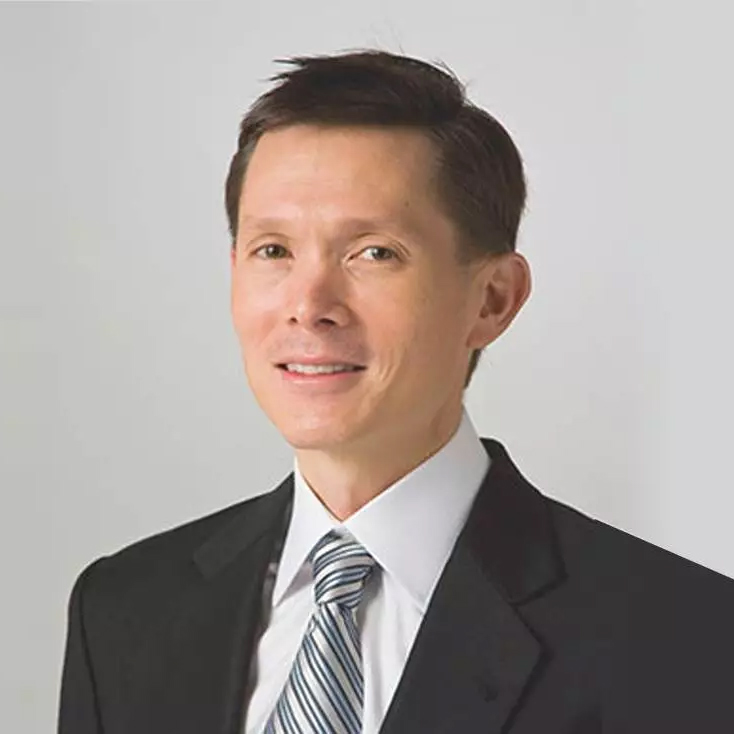
MBBS (S’pore), FRCS (Edinburgh), FAMS (Plastic Surgery)
Have you noticed changes in your breasts, such as a loss of fullness after pregnancy or breastfeeding, or a shape that no longer feels in harmony with your body proportions? It’s natural for the breasts to change over time due to factors like ageing, hormones, and lifestyle, but these changes don’t have to be permanent.
Breast augmentation offers a way to restore lost volume and refine your natural contours, helping you restore shape and fullness that feel natural to you. At The Plastic Surgery Practice, we design each treatment plan around your anatomy, goals, and lifestyle to achieve results that look natural and complement your overall shape.
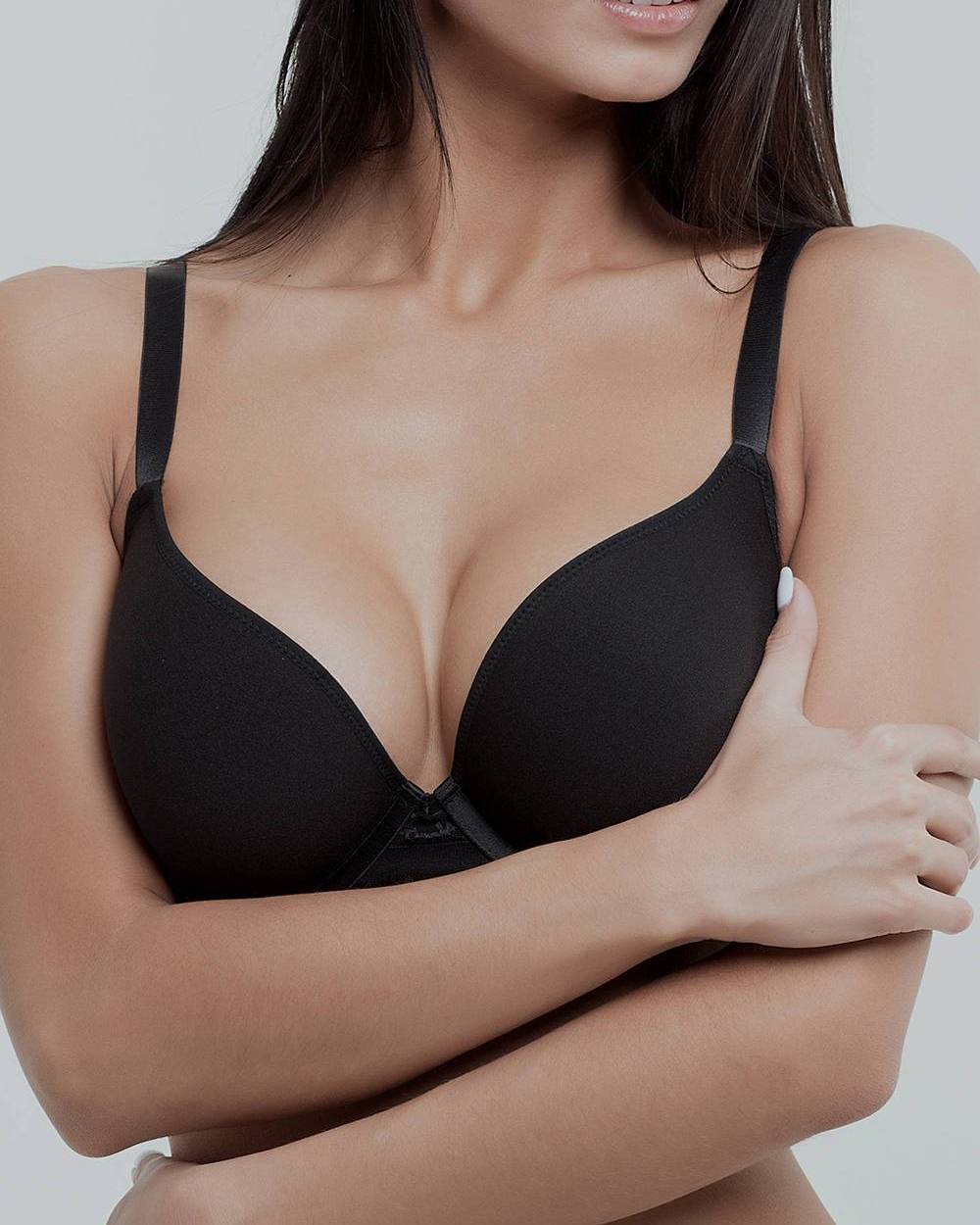
What Are the Benefits of Breast Augmentation?
Breast augmentation can bring both physical and emotional benefits, enhancing body balance and confidence.
Enhanced Self-Image
Many women feel a greater sense of satisfaction and comfort in their appearance after breast augmentation. With advanced surgical techniques in Singapore, the results are harmonious and proportionate to the body’s natural shape..
Restoration After Body Changes
Pregnancy, breastfeeding, weight loss or ageing can lead to a loss of breast volume and firmness. Through careful planning, breast augmentation addresses these common changes and restores overall balance.”
Personalised Results
Each procedure is tailored to the individual. Women can choose implant materials, sizes and shapes that best suit their anatomy and aesthetic goals. This personalised approach ensures results that complement their natural figure and lifestyle.
Who Is a Good Candidate for Breast Augmentation?
Breast augmentation may be suitable for women who wish to enhance or restore their breast shape and confidence. However, it is not appropriate for everyone. Ideal candidates are those who are:
- In good overall health, with no active infections or serious medical conditions
- At a stable weight and not pregnant or breastfeeding
- Physically mature, with fully developed breasts (typically age 18+ for saline, 22+ for silicone implants)
- Holding realistic expectations about the outcome
- Seeking natural, proportionate enhancement that complements their body shape
What Are the Different Methods for Breast Enlargement?
There are several methods commonly used for breast enlargement. These include:
- Breast implants
- Fat injections
Of these methods, surgical augmentation with implants offers the most reliable and predictable results, with the greatest control over size and shape. Hence, it is still the ‘gold standard’ in breast enlargement.
What Are the Types of Breast Implants?
Breast implants vary in material, shape and shell texture, allowing each patient to choose the option that best suits their desired look and feel. At our clinic, we use Motiva and Mentor silicone gel implants, both of which are trusted worldwide for their safety, design and aesthetic performance.
Mentor Implants
Mentor implants contain cohesive silicone gel that maintains its form and contour. They are available in both round and teardrop (anatomic) profiles, providing a range of shapes and projections to suit individual preferences.
Motiva Implants
Motiva implants are filled with soft silicone gel and designed to adapt gently to body movement. They have a smooth, nano-textured surface and incorporate a micro-transponder that allows implant information to be verified when needed.
During consultation, Dr Tay will discuss these options in detail and recommend the most suitable implant type based on your anatomy and desired outcome.
What to Expect Before, During and After Breast Augmentation
- Consultation and Assessment
A detailed assessment is done to understand the patient’s aesthetic goals and to determine her suitability for the procedure. During the consultation, different options—including incision sites, implant placement and implant types—are discussed to identify the best-suited approach. In addition to body dimensions, the breast is assessed for the presence of abnormalities such as breast lumps. If necessary, a mammogram or ultrasound scan of the breast tissues is obtained.
- Simulation and Visualisation
The Crisalix system is used to create a 3D image of the patient, and can simulate the outcome with implants of different sizes and shapes. This is an essential tool for planning, allowing the patient to accurately visualise the outcome and select the most suitable implants.
- Preparation for Surgery
In some cases, tests such as mammograms or ultrasound scans may be required before surgery. Patients will be advised on medications and supplements that need to be avoided in the days before the surgery.
- The Operation
Breast augmentation with implants is usually an outpatient procedure, done in a day surgery facility. The surgery is done under general anaesthesia, and may take from 1.5 to 2 hours. Factoring in preparation and recovery, the patient can expect to be in the day surgery facility for about half a day.
- Recovery
Patients will be provided with a breast strap or bra, which will need to be worn for 2-4 weeks. Mild pain and discomfort are limited to the first few days and are controlled with oral painkillers. Most patients can expect to return to work within 3-5 days, depending on the nature of their occupation. Returning to an exercise routine may take longer, depending on the individual’s pace of recovery.
About Our Breast Augmentation Surgeon
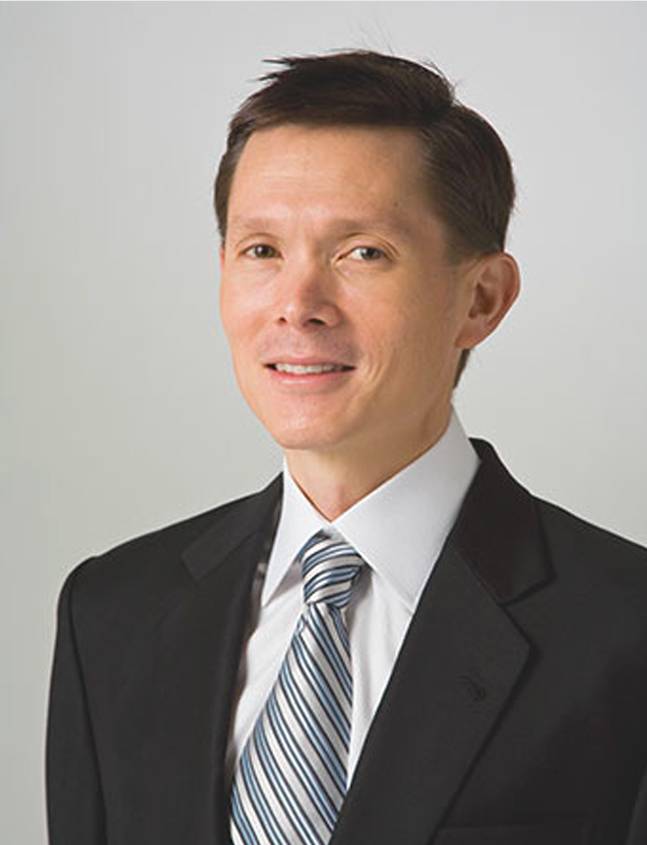
Dr Andrew George Tay
Dr Andrew Tayhrefs a consultant plastic surgeon with over two decades of experience, having established his private practice after extensive training in Singapore, the UK and Switzerland. With a focus on both aesthetic and reconstructive surgery, he has developed a clinical interest in breast augmentation.
As a member of the Singapore Association of Plastic Surgeons, the Singapore Society of Cosmetic (Aesthetic) Surgeons, and the International Society of Aesthetic Plastic Surgery (ISAPS), Dr Tay combines surgical precision with a thoughtful approach to proportion and detail. Beyond technical skill, he places strong emphasis on patient safety, clear communication, and individualised care, working closely with each patient to recommend the most suitable implant type and technique for their goals.
FAQs About Breast Augmentation
Where are breast augmentation incisions usually made?
- Infra-mammary incision - made in the fold under the breast, this is the most popular and commonly used incision. It allows for accurate placement of the implant and control of the inframammary fold, with a low rate of complications and low risk of contamination.
- Trans-axillary incision - this is made in a skin crease in the armpit. A tunnel is made down to the breast and the implant is slid into position.
- Peri-areolar incision - this semicircular incision is made along the edge of the areola.
Are breast implants placed above or below the muscle?
After the incision is made, a pocket is created either:
- Above the pectoral (chest muscle), behind the breast tissue. Also called sub-glandular placement.
- Under the pectoral muscle or sub-muscular placement. This is also called dual-plane placement, as the lower part of the implant is usually not covered by the pectoral muscle.
Choice of placement depends on several factors, including:
- Type of implant chosen
- Thickness of the soft tissues (skin, fat and breast tissue)
- Whether there is significant droopiness of the breast
- Level of physical activity (sports)
- Patient preference
What types of breast implants does Dr Andrew Tay use?
We use silicone gel implants from Mentor and Motiva.
Mentor implants are FDA approved, and offer reliability, durability, and a natural feel and shape. Mentor implants are offered in both round and teardrop (anatomic) shapes.
Motiva implants are the latest generation of silicone breast implants, which offer several unique features. The silicone gel is very soft, making it one of the best options for individuals seeking a natural feel. The gel adapts its shape, moving to the lower part of the implant in the standing position, giving a more natural teardrop shape. When lying down, the gel distributes evenly within the implant - much like a natural breast.
Motiva implants also have a nano-textured shell, which results in low capsular contracture and seroma rate. Q Inside Safety Technology is another unique feature of Motiva implants - a micro-transponder containing implant information, which allow plastic surgeons and patients to have access to implant-specific data by using a hand-held reader.
Can I breastfeed after breast augmentation surgery?
Yes, the implants are placed behind the breast tissue, and do not affect their function.
How long do breast implants last? When do they need to be removed or replaced?
Breast implants can last from 15 to 20 years. If there are no problems such as leakage or capsular contracture (hardening), the implants do not need to be removed.
Do breast implants increase the risk of breast cancer?
Several studies have found no increase in the risk of breast cancer in women with breast implants. However, it’s important to be aware that certain types of breast implants with more aggressively (rougher) textured surfaces may be associated with a very rare form of lymphoma called breast implant-associated anaplastic large cell lymphoma (BIA-ALCL). It’s worthwhile noting that this condition is extremely rare and treatable if detected early.
ideals and lifestyles are different,
these may be non-surgical or surgical procedures.