What Makes Someone a Suitable Candidate for Double Eyelid Surgery?

Fellow of Academy of Medicine, Singapore (Plastic Surgery) Registered Specialist Plastic Surgeon, Singapore Medical Council
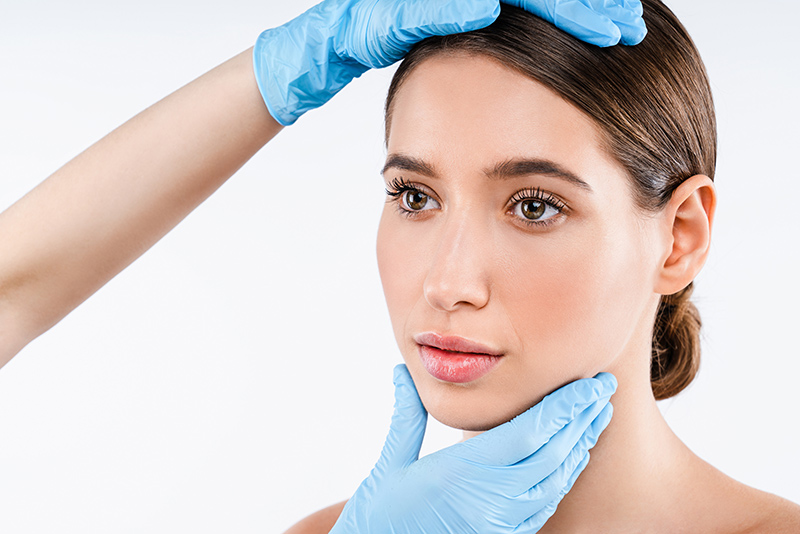
Double eyelid surgery is a commonly-performed procedure to create or enhance the upper eyelid crease, improving eyelid definition and achieving a more balanced appearance. While many people consider the procedure for aesthetic reasons, not everyone is a suitable candidate.
Factors such as eyelid anatomy, eye health, medical history and personal goals influence whether surgery is appropriate and which technique may be recommended. Understanding these considerations can help you make an informed decision and prepare for a consultation with a qualified plastic surgeon.
Key Takeaways
- Suitability for double eyelid surgery depends on your eyelid anatomy, eye health and treatment goals.
- Realistic expectations and understanding inherent risks are important for satisfactory outcomes.
- Good overall health and commitment to recovery are required to support double eyelid surgery healing successfully.
- A consultation with a qualified plastic surgeon determines if double eyelid surgery is right for you.
What Does a Surgeon Look for When Assessing Your Eyelids?
There is no single eye shape or facial feature that makes someone an ideal candidate for double eyelid surgery. Instead, suitability is determined by how the eyelids are naturally structured and whether a surgical crease can be created while preserving comfortable eyelid function and achieving balanced, natural-looking results.
Your Existing Eyelid Crease
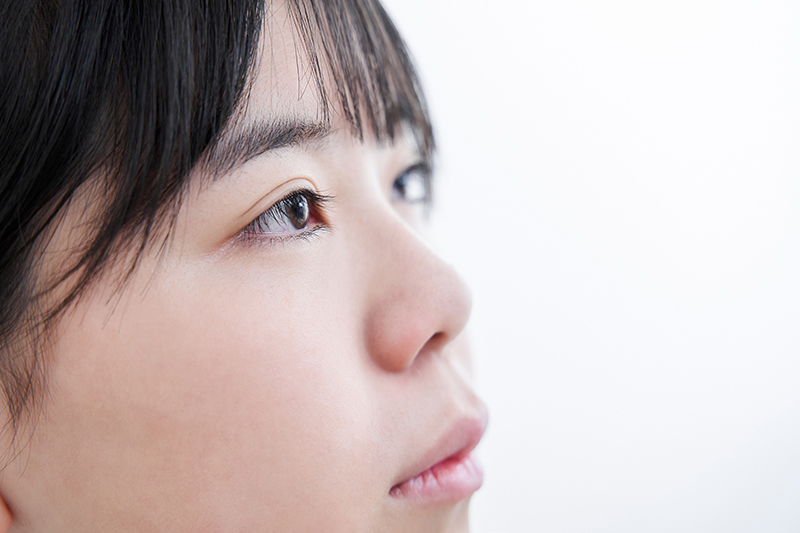
Some individuals are born without a visible upper eyelid crease, while others have a faint, uneven or partially formed crease. The surgeon examines how the crease appears when the eyes are open and closed, as well as whether it is consistent between both eyes, to guide surgical planning.
Eyelid Skin Thickness and Fat Distribution
The thickness of the eyelid skin and the amount of fatty tissue beneath it influence both the choice of surgical technique and the expected outcome. Thicker eyelids or more prominent fat pads may require a different approach from thinner eyelids to create a stable, well-defined crease.
Eyelid Muscle Strength and Position
Healthy eyelid muscle function is important for both vision and the appearance of the eyelids. During the consultation, the surgeon evaluates how well the upper eyelid muscles lift the eyelids and whether both sides function similarly. If the eyelid's muscle function is weak or eyelid drooping (ptosis) is present, this influences the double eyelid surgeon's recommended procedure.
Eye Shape and Facial Proportions
The natural shape of the eyes, brow position and surrounding facial features influence how a double eyelid crease will appear. Rather than creating the same crease for every patient, surgeons design the crease to complement the individual's eye shape and maintain harmony with the rest of the face.
Eyelid Symmetry
It is common for the two eyelids to differ slightly in shape, crease height or skin folds. During the consultation, these differences are carefully examined to determine whether they can be improved with surgery. While perfect symmetry is rarely achievable because natural facial asymmetry exists in most people, surgical planning aims to create a more balanced appearance between both eyes.
Who Is Not Suitable for Double Eyelid Surgery?
Although many people are suitable candidates for double eyelid surgery, there are situations where the procedure may not be appropriate or may need to be postponed. During your consultation, your surgeon will assess your eye health, medical history and eyelid anatomy to determine whether surgery can be performed safely and whether another approach would be more suitable.
Double eyelid surgery may not be appropriate if you:
- Have an active eye infection or inflammation that should be treated before surgery.
- Have uncontrolled medical conditions, bleeding disorders or certain autoimmune conditions that may increase surgical risks or affect healing.
- Have eyelid drooping (ptosis), excess upper eyelid skin or brow descent, where another procedure or a combined surgical approach may provide a better functional and aesthetic outcome.
- Have anatomical features that make your desired crease height or shape unrealistic or unsuitable. Your surgeon will recommend a crease design that complements your eyelid anatomy and facial proportions.
Once these factors have been assessed or managed, many individuals can still proceed with surgery if it is considered safe and appropriate.
What Should You Know Before Undergoing Double Eyelid Surgery?
Before undergoing double eyelid surgery, it is important to understand what the procedure involves, whether it aligns with your goals and how to prepare for surgery and recovery. Discussing these considerations with your surgeon can help you make an informed decision and prepare for the best possible outcome.
Have Clear and Realistic Expectations
Double eyelid surgery can enhance eyelid definition and improve symmetry in suitable candidates, but it cannot completely change your natural eye shape or create identical results to another person's eyes. Bringing reference photos may help communicate your preferences, although the final surgical plan should be based on what is achievable and complements your individual facial features.
Plan for the Recovery Period
Swelling, bruising and temporary tightness are common during the initial stages of recovery. Although many people can return to light daily activities within one to two weeks, complete healing and the final appearance of the eyelids may take several months. Planning time away from work, social events or other commitments can help make the recovery period more manageable.
Review Your Medical History and Medications
Certain medical conditions, previous eye surgeries and medications may affect whether double eyelid surgery is suitable or influence how the procedure is planned. During your consultation, inform your surgeon about any existing health conditions, allergies, medications or supplements you take, as well as smoking habits, so that appropriate precautions can be taken to support healing.
Follow Your Surgeon's Pre-Operative Instructions
Your surgeon may recommend temporary adjustments before surgery, such as avoiding medications or supplements that increase bleeding risk, stopping smoking and arranging transportation home after the procedure. Following these instructions carefully helps reduce the risk of complications and supports a smoother recovery.
Understand the Potential Risks
Like any surgical procedure, double eyelid surgery carries potential risks, although serious complications are uncommon when performed by a qualified surgeon. Possible risks include bleeding, infection, scarring, prolonged swelling, temporary dryness or irritation, asymmetry and dissatisfaction with the cosmetic outcome. Your surgeon will explain the potential benefits and risks in relation to your individual circumstances and ensure you have the information needed to make an informed decision.
Tailored Double Eyelid Surgery with Dr Andrew George Tay
Suitability for double eyelid surgery depends on a careful evaluation of your eyelid anatomy, eye health, medical history and aesthetic goals. While many people are suitable candidates, the most appropriate surgical approach varies from person to person. A comprehensive consultation helps determine whether the procedure is right for you and ensures your treatment plan is tailored to achieve balanced, natural-looking results.
At The Plastic Surgery Practice, we provide comprehensive assessments for individuals considering double eyelid surgery. Dr Andrew George Tay, our consultant plastic surgeon, carefully evaluates each patient's eyelid structure, facial features and expectations before recommending the most suitable treatment approach.
If you are considering double eyelid surgery or would like to find out whether you are a suitable candidate, book an appointment with our team today.
Frequently Asked Questions (FAQs)
Can I choose how high or low my double eyelid crease will be?
While you can discuss your preferred appearance with your surgeon, the final crease height is determined by what is safe and appropriate for your eyelid anatomy. Choosing a crease that suits your facial proportions and natural eye shape generally produces a more balanced result and reduces the likelihood of an unnatural appearance.If I have one double eyelid and one single eyelid, can surgery help?
Yes, surgery may be performed to improve symmetry when one eyelid has a natural crease and the other does not. Your surgeon will assess both eyelids carefully and recommend an approach that aims to create a more balanced appearance while recognising that perfect symmetry is rarely achievable in any face.Will my suitability for double eyelid surgery change as I get older?
Yes, ageing can affect the eyelids over time as skin loses elasticity and the tissues around the eyes change. Someone who was previously suitable for one surgical technique may benefit from a different approach later in life. A consultation allows your surgeon to recommend the most appropriate treatment based on your current anatomy and goals.Meet Our Doctor
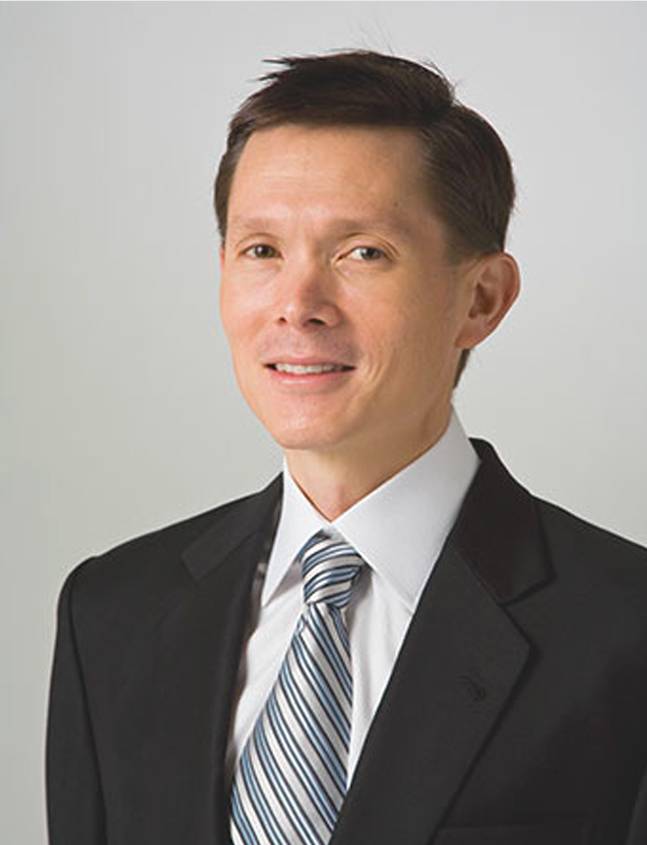
Dr Andrew Tay
Consultant Plastic Surgeon
Dr Andrew Tay is an MOH-accredited plastic surgeon in Singapore with over two decades of experience in cosmetic and reconstructive surgery. His expertise spans facial and body cosmetic surgery, with a special interest in facial trauma and skeletal reconstruction. Dr Tay is also a member of the Singapore Association of Plastic Surgeons, the Singapore Society of Cosmetic (Aesthetic) Surgeons, and the International Society of Aesthetic Plastic Surgery.
ideals and lifestyles are different,
these may be non-surgical or surgical procedures.