
Which Eyelid Surgery Is Right for You?

Fellow of Academy of Medicine, Singapore (Plastic Surgery) Registered Specialist Plastic Surgeon, Singapore Medical Council
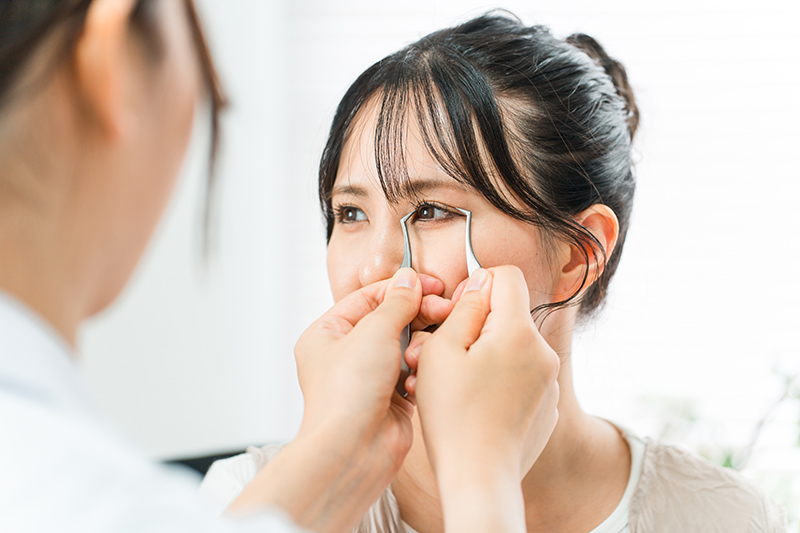
Many people start exploring the possibility of eyelid surgery when they become concerned about drooping eyelids, heavy eyebags and changes to their eye shape. These changes may lead one to feel like their eyes are starting to look aged or heavy.
Fortunately, there are several surgical options that can refine the shape and contour of the eyelids, addressing concerns across different areas and enhancing their overall appearance. Understanding how these surgical procedures differ is an important first step towards pursuing a treatment procedure that aligns with your aesthetic goals.
Upper Blepharoplasty for Drooping Eyelid Correction
Upper blepharoplasty is a surgical procedure designed to address excess skin and tissue on the upper eyelids, which can cause a droopy or heavy appearance. In some cases, this heaviness may also affect vision or make the eyes look constantly tired.
By removing or repositioning excess tissue, the procedure helps restore a clearer eyelid contour and a more open eye appearance. This can improve both aesthetic concerns and, in certain cases, functional issues related to obstructed vision.
Who Is Upper Blepharoplasty For?
For many patients, the upper eyelids are one of the first areas to show visible signs of ageing. Upper blepharoplasty may be suitable for individuals who are experiencing sagging or loose skin on the upper eyelids that affects their appearance or comfort. This often includes patients who feel their eyes look smaller, less defined or constantly tired due to excess skin folding over the natural eyelid crease. Addressing this area can have a noticeable impact on overall facial expression, helping the eyes appear more alert, rested and defined.
It may also be considered by patients who notice functional concerns, such as a reduced field of vision caused by severely drooping eyelids. In such cases, the procedure can offer both aesthetic and practical benefits.
Understanding the Upper Blepharoplasty Procedure
Upper blepharoplasty is usually performed as a day procedure under local anaesthesia, sometimes with sedation for added comfort. The surgeon makes carefully placed incisions along the natural crease of the upper eyelid, allowing any resulting scars to be well-concealed once healed.
Through these incisions, excess skin and fat are removed or repositioned, and in some cases, underlying muscle may be adjusted to achieve a smoother and more defined eyelid contour. The approach is customised based on your anatomy and desired outcome, aiming for a balanced and natural-looking result.
Lower Blepharoplasty for Eyebag Reduction
For many individuals, the under-eye area can be particularly resistant to non-surgical treatments. Lower blepharoplasty offers a more lasting, structural solution by directly treating the underlying changes that contribute to eyebag formation.
Lower blepharoplasty is a surgical procedure that targets under-eyebags and puffiness. These concerns are often caused by the protrusion of fat, skin laxity or a combination of both, and may persist even with adequate rest or skincare, making surgical procedures particularly helpful in many cases.
Who Is Lower Blepharoplasty For?
Lower blepharoplasty is often considered by patients who notice bulging fat under the eyes, shadowing or hollowness along the tear ducts or fine lines near the eyes. These concerns can make the face appear fatigued, even when one feels well-rested.
By addressing the underlying causes of eyebags, the procedure helps to smooth and refine the lower eyelid area. This may result in a more rested and rejuvenated appearance while maintaining the natural contours of the eyes.
Understanding the Lower Blepharoplasty Procedure
Lower blepharoplasty can be performed using different techniques, depending on the individual's needs. In cases where fat protrusion is the main concern, incisions can be made inside the lower eyelid to access and reposition or remove fat without visible external scars.
For patients with excess skin, an external incision may be made just below the lash line. This allows the surgeon to remove or tighten loose skin while also addressing underlying fat deposits. The specific technique is selected based on the extent of correction required.
Medial Epicanthoplasty for Eye Enlargement
Medial epicanthoplasty is a surgical procedure that focuses on the inner corners of the eyes, specifically the epicanthal folds that may partially cover them. These folds can make the eyes appear shorter, less open or closer together.
By carefully releasing and reshaping this area, the procedure helps to increase the visible width of the eye opening and create a more open, defined appearance. This can enhance overall eye proportions and may help improve perceived balance between the eyes and other facial features, while maintaining a natural look.
Who Is Medial Epicanthoplasty For?
Medial epicanthoplasty may be suitable for individuals who feel that their eyes appear smaller or less defined due to prominent inner eyelid folds. It is often considered by those who wish to achieve a more open eye shape or reduce the appearance of closely spaced eyes.
Some patients may also seek this procedure to enhance the results of double eyelid surgery, as addressing the inner eye corners can improve overall eye symmetry and definition.
Understanding the Medial Epicanthoplasty Procedure
Medial epicanthoplasty is typically performed under local anaesthesia, sometimes with sedation for comfort. The surgeon makes precise incisions at the inner corners of the eyes to release and reposition the epicanthal folds.
The technique is carefully planned to minimise visible scarring and preserve the natural contour of the eyes. The goal is to subtly enhance the eye shape without making the changes appear obvious or overdone.
Factors to Consider When Choosing the Right Eyelid Surgery
Each eyelid procedure addresses a different concern, such as drooping upper lids, under-eye bags or the shape of the inner eye. Because of this, it is not always easy to determine which option is most suitable on your own. A consultation with a plastic surgeon can help guide your decision.
When considering eyelid surgery, a few key factors to keep in mind include:
Your specific concerns
Different procedures target different issues, such as excess upper eyelid skin, under-eye bags or prominent inner eyelid folds. Identifying your main concern helps guide the choice of treatment.Your natural eye anatomy
Factors such as skin thickness, eyelid crease definition, fat distribution and overall eye shape can influence both the surgical technique used and the outcome.Overall facial balance
The eyes should be considered in the context of your full facial features. In some cases, combining procedures may provide a more harmonious and proportionate result, especially when multiple concerns are present.Expected outcomes
Each procedure offers different types of improvement. Understanding what can realistically be achieved helps ensure that expectations are aligned with likely results.Recovery time and healing process
While eyelid surgeries are generally well-tolerated, each procedure has its own recovery timeline. Knowing what to expect can help you plan accordingly and feel more prepared.The goal is to enhance the eye area in a way that complements your natural features, rather than making isolated changes that may appear out of place.

Achieve More Refreshed, Balanced Eyes with Dr Andrew Tay
Choosing the right eyelid surgery often comes down to a careful assessment of your concerns, eye anatomy and desired outcome. While general information can help guide your understanding, a thorough assessment by an experienced plastic surgeon allows for a customised treatment plan that aligns with your concerns, anatomy and desired outcome.
At The Plastic Surgery Practice, care is guided by a personalised approach that takes into account your specific eye concerns, facial features and desired outcomes. Consultations and procedures are performed by Dr Andrew Tay, our consultant plastic surgeon, who has experience in eyelid and facial procedures and focuses on achieving refined, natural-looking results tailored to each patient.
Contact us today to arrange an assessment and find out more about our eyelid surgery options.
Our Doctor
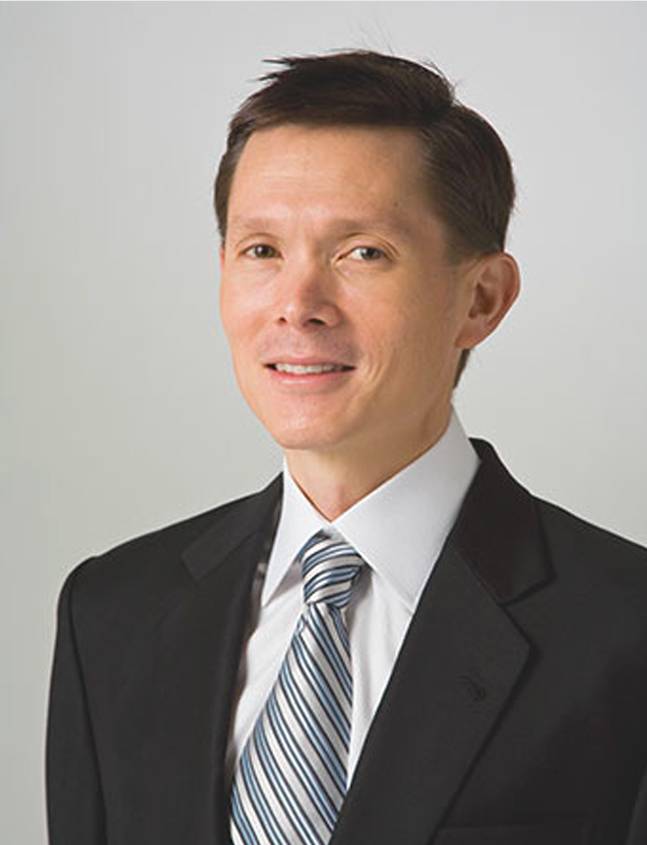
Dr Andrew Tay
Consultant Plastic Surgeon
Dr Andrew Tay is an MOH-accredited plastic surgeon in Singapore with over two decades of experience in cosmetic and reconstructive surgery. His expertise spans facial and body cosmetic surgery, with a special interest in facial trauma and skeletal reconstruction. Dr Tay is also a member of the Singapore Association of Plastic Surgeons, the Singapore Society of Cosmetic (Aesthetic) Surgeons, and the International Society of Aesthetic Plastic Surgery.
ideals and lifestyles are different,
these may be non-surgical or surgical procedures.