
When Should You Consider Breast Reduction Surgery?

Fellow of Academy of Medicine, Singapore (Plastic Surgery) Registered Specialist Plastic Surgeon, Singapore Medical Council
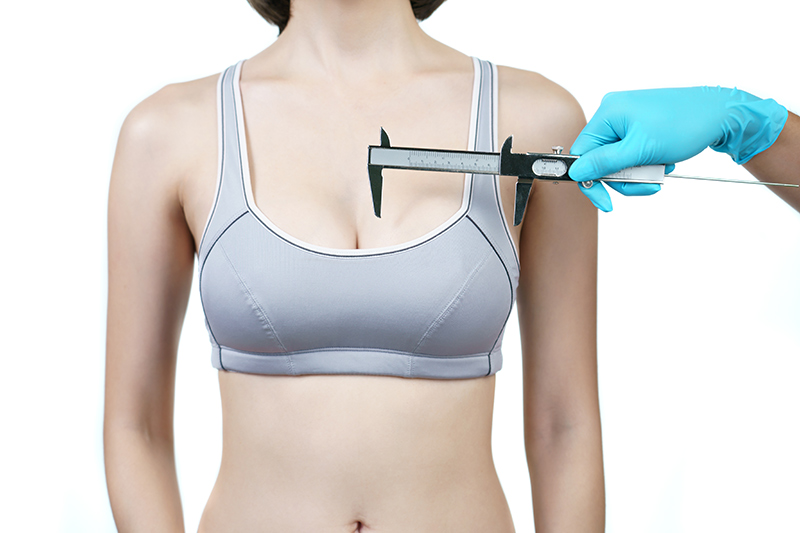
Breast reduction surgery, also known as reduction mammoplasty, is a procedure that is intended to decrease the size of one's breasts. Many individuals benefit from this procedure due to the physical and emotional strain that uncomfortably large breasts can place on them.
For some women, this sense of strain and discomfort builds gradually, starting with occasional aches in the back or shoulders before progressing into chronic pain that interferes with daily functions such as exercise or sleep. Others may find themselves avoiding certain activities, struggling to find well-fitting clothing or feeling increasingly self-conscious in social settings. These challenges can be frustrating, especially when they begin to limit your comfort and confidence as you go about your daily life.
While some people adapt to these challenges over time, others find that the impact on their quality of life becomes increasingly difficult to manage. In such cases, breast reduction surgery serves as a medically guided solution to these problems.
6 Common Reasons to Consider Breast Reduction Surgery
Below are some of the common reasons why individuals consider breast reduction surgery.
1. Persistent Back, Neck or Shoulder Pain
Larger breasts can place extra strain on the muscles and ligaments in the upper body. This may lead to ongoing pain in the back, neck or shoulders, which can worsen with prolonged sitting or standing. While supportive bras or posture adjustments may provide temporary relief, they often do not address the underlying cause.
2. Difficulty Maintaining Proper Posture
The weight of larger breasts can shift the body's natural centre of gravity, making it harder to maintain an upright posture. Over time, this may lead to rounded shoulders, spinal strain and muscle fatigue. Even with posture exercises or ergonomic changes, the discomfort may persist due to the constant weight.
3. Limitations in Exercise and Everyday Physical Activities
Larger breasts can make physical activity uncomfortable, particularly during high-impact exercises such as running or sports. This may discourage regular movement and affect overall fitness. Daily activities such as walking long distances or climbing stairs may also feel more physically demanding.
4. Challenges Finding Well-Fitting Clothing and Supportive Bras
Clothing may fit well in some areas but feel tight or restrictive across the chest, making shopping frustrating. Supportive bras can also be difficult to find, and ill-fitting options may cause shoulder strain, skin irritation or inadequate support.
5. Self-Consciousness or Emotional Distress Related to Breast Size
Breast size can influence body image and confidence. Some individuals may feel self-conscious about unwanted attention or find their clothing choices limited. Over time, this can affect social interactions and overall well-being.
6. Noticeable Breast Asymmetry or Imbalance
More pronounced differences in breast size or shape can lead to uneven weight distribution, contributing to physical discomfort. Asymmetry may also make it harder to find well-fitting bras or clothing, and can affect body confidence. In such cases, breast reduction may be considered to improve balance and proportion.
How Can Breast Reduction Surgery Help?
Breast reduction surgery addresses the physical impacts of overly large breasts by removing excess breast tissue, fat and skin. This procedure reduces the overall weight on the chest, potentially relieving strain on the back, neck and shoulders, leading to improvements in daily comfort and mobility.
Many individuals also experience better posture and find it easier to engage in physical activities after recovery. With less restriction and discomfort, activities such as exercise, walking or even routine tasks can become more manageable and enjoyable.
Beyond physical benefits, breast reduction surgery can contribute to improved self-confidence and body image. Improved breast proportions may make it easier to find well-fitting clothing and adequately supportive bras, reducing the daily frustration caused by these clothing-related struggles. Feeling more comfortable in one's own body can positively influence social interactions, self-esteem and overall well-being.
As with any procedure, a thorough consultation with a qualified doctor is important to determine suitability and ensure that the treatment aligns with your individual needs and expectations.
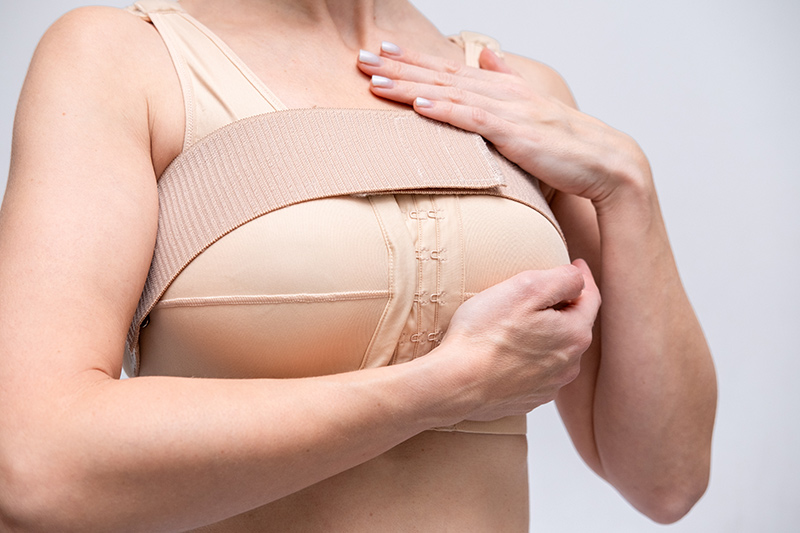
Consulting Your Plastic Surgeon to Understand the Process
Before moving forward with breast reduction surgery, a detailed consultation with a qualified plastic surgeon is an important first step. This allows you to discuss your symptoms, concerns and expectations, while also giving the surgeon a clear understanding of your medical history and lifestyle needs.
Your surgeon can then explain how the procedure is performed, including the techniques used, expected outcomes and potential risks. You will also have the opportunity to discuss your desired breast size and proportion, ensuring that the results align with both your physical comfort and aesthetic preferences.
It is also important to assess whether you are a suitable candidate for breast reduction surgery. Factors such as overall health, breast development, skin elasticity and the presence of symptoms like chronic pain or skin irritation may affect your eligibility for this procedure.
Find Relief and Balance with Breast Reduction Surgery
Breast reduction surgery can be a meaningful option for individuals experiencing ongoing physical discomfort or challenges regarding overly large breasts. By addressing both functional concerns and personal preferences, the procedure aims to restore balance, improve mobility and support overall well-being. If you find your everyday life being impacted by symptoms such as constant pain and posture issues, a consultation with a specialist could guide you towards a long-term solution.
At The Plastic Surgery Practice, care is guided by a personalised approach that considers your individual concerns, lifestyle needs and long-term goals. Procedures are performed by Dr Andrew Tay, our consultant plastic surgeon, who has extensive experience in body contouring procedures and focuses on achieving balanced, natural-looking outcomes tailored to each patient.
Contact us today to arrange an assessment and find out more about how breast reduction surgery could help you.
Our Doctor

Dr Andrew Tay
Consultant Plastic Surgeon
Dr Andrew Tay is an MOH-accredited plastic surgeon in Singapore with over two decades of experience in cosmetic and reconstructive surgery. His expertise spans facial and body cosmetic surgery, with a special interest in facial trauma and skeletal reconstruction. Dr Tay is also a member of the Singapore Association of Plastic Surgeons, the Singapore Society of Cosmetic (Aesthetic) Surgeons, and the International Society of Aesthetic Plastic Surgery.
ideals and lifestyles are different,
these may be non-surgical or surgical procedures.