
Is Double Eyelid Surgery Right for You? Factors to Consider

Fellow of Academy of Medicine, Singapore (Plastic Surgery) Registered Specialist Plastic Surgeon, Singapore Medical Council
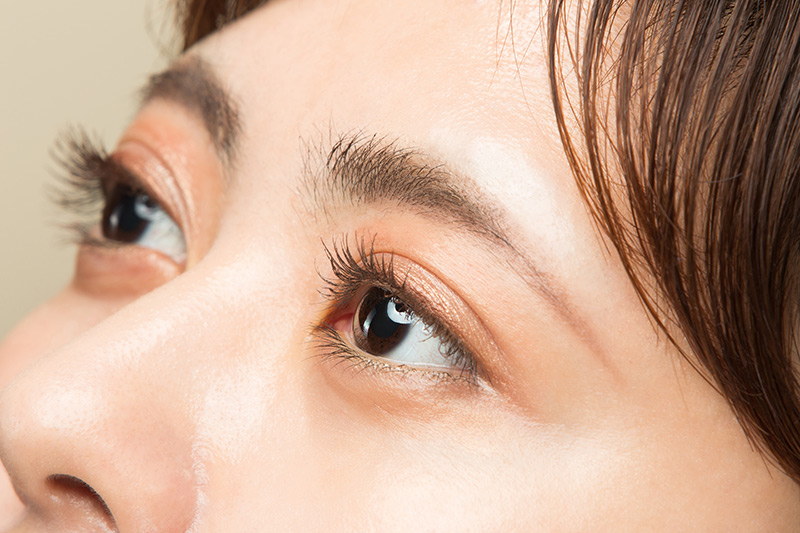
In order to determine whether double eyelid surgery (upper blepharoplasty) is the right option for you to undergo, you need to consider several important factors, such as:
- Your reasons for wanting double eyelid surgery
- Whether a surgical procedure suits you
- How prepared you are to handle potential risks and complications
Beyond these initial considerations, it is also important to understand what the procedure can and cannot achieve. Taking the time to evaluate these factors and discuss them with an eyelid surgeon can help you make a more informed and confident decision.
Key Takeaways
- Before proceeding with double eyelid surgery, there are several key factors that you should be considering, in order to gauge your ideal outcomes and your own suitability
- Having realistic expectations is important, as the procedure can enhance features but cannot completely change eye shape or guarantee identical results
- Understanding potential risks, recovery time and possible need for revision helps you make a more informed decision
- A consultation with a qualified plastic surgeon is essential to assess your suitability and recommend a personalised treatment approach
What Does the Double Eyelid Procedure Involve?
Upper blepharoplasty involves creating a defined crease in the upper eyelid in order to enhance eye definition, improve symmetry and create a more open, refreshed appearance.
There are three main types of double eyelid surgery, each suited to different eyelid anatomies and goals:
Suture Method
This method involves no incisions and is suitable for younger patients with minimal excess skin or fat. Two to four sutures are placed in the upper eyelid to create a fold without making a full incision. Recovery is generally quicker than conventional techniques, with the crease appearing more natural within 1–2 weeks.
However, there is a slightly higher chance of the crease fading over time compared to cutting methods. The procedure is usually performed under local anaesthesia and takes about 30–60 minutes.
Conventional Incision Method
In this method, a cut is made along the upper eyelid to create a defined fold. Excess skin and fat can be removed or repositioned if needed. Recovery time is typically longer than the suture method, as swelling takes more time to subside. However, the results are more durable, with a lower likelihood of the crease fading.
The outcome can last for many years, although natural ageing may eventually affect the eyelids. This procedure is also performed under local anaesthesia and takes longer than the suture method.
Minimal Incision Method
This technique involves a shorter incision compared to the conventional method. It offers a balance between durability and reduced recovery time, with a smaller scar and faster resolution of swelling. It is generally preferred for patients who do not require a significant removal of excess skin.
What to Ask Yourself Before Pursuing Double Eyelid Surgery
There are several questions you should ask yourself before considering any kind of plastic surgery, and when it comes to blepharoplasty, some examples are:
What Are Your Goals and Expectations for Surgery?
You should be clear about what you want to achieve and whether those outcomes are realistic based on your natural eyelid structure. For example, some people seek double eyelid surgery to address specific concerns, such as asymmetry, multiple uneven folds or excess upper eyelid skin that makes the eyes look heavy or tired. Others may want to restore a more youthful appearance as ageing causes the eyelids to droop or lose definition.
Double eyelid surgery can also help in cases of droopy eyelids caused by excess skin, by creating a clearer crease and a more open eye appearance.
It is also important to keep your expectations in mind. A blepharoplasty surgeon may be able to enhance eyelid definition and symmetry, but it cannot completely change your overall eye shape or guarantee identical results to reference photos. Aligning your expectations with what is surgically achievable helps reduce dissatisfaction and supports a more predictable outcome.
Are You a Suitable Candidate for the Procedure?
Suitability for double eyelid surgery depends on your eyelid anatomy, skin condition and overall health. Factors such as thick eyelid skin, excess fat or loose skin may influence which surgical method is appropriate.
Individuals with significant excess skin may benefit more from an incision-based technique, while those with minimal excess tissue may be suitable for suture or minimal incision methods. Your surgeon will also assess for conditions such as ptosis (eyelid muscle weakness), which may require a different or combined procedure.
A proper consultation with a plastic surgeon is necessary to determine the most suitable approach based on your anatomy and desired outcome.
How Well Do You Understand the Risks and Complications?
Double eyelid surgery is generally safe when performed by a qualified surgeon, but it still carries risks. Common temporary effects include swelling, bruising and mild discomfort during the recovery period.
Less common complications may include infection, visible scarring, asymmetry or the crease fading over time. In some cases, revision surgery may be required to refine the results.
If you are not in a situation where you can afford this recovery downtime, undergoing double eyelid surgery may greatly inconvenience you, making it less appropriate to opt for the procedure.
Understanding your goals, suitability and the risks involved helps you decide whether double eyelid surgery is appropriate for you.
How Do You Proceed With Seeking Out Double Eyelid Surgery?
Whether or not you are certain about your answers to the above questions, you can move forward and find out more about double eyelid surgery by scheduling a consultation with a qualified plastic surgeon, which could give you the opportunity to clarify your goals and suitability for the procedure.
During a consultation session, the surgeon will assess your eyelid anatomy, discuss your concerns and recommend the most appropriate technique based on your needs. This is also an opportunity to review before-and-after cases, understand expected outcomes and ask specific questions about risks, recovery and costs. Doing this allows you to make a more informed decision while being provided with professional guidance tailored to your individual condition and goals.

Consulting an Eyelid Surgeon in Singapore for Detailed Assessments
If you are thinking about double eyelid surgery, a proper consultation is an important first step. A thorough assessment helps determine your suitability, clarify your goals and address these key considerations.
Choosing an experienced and qualified eyelid surgeon is an important part of the decision-making process. A detailed consultation should focus on understanding your concerns, assessing your eyelid structure and recommending options that are appropriate for your individual condition rather than a one-size-fits-all approach.
At The Plastic Surgery Practice, consultations are conducted with a patient-focused approach that emphasises careful assessment, clear communication and personalised treatment planning. Care is led by Dr Andrew Tay, our consultant plastic surgeon, who guides you towards obtaining a clear understanding and making well-informed decisions.
If you are considering undergoing eyelid surgery for an aesthetic or medical concern, contact us today to arrange a consultation and receive personalised guidance on your treatment journey.
FAQs About Double Eyelid Surgery
Will the results of double eyelid surgery be permanent?
Whether the results are permanent or not depends on the method used. Incision-based methods generally produce longer-lasting results, often for many years. Suture methods may have a higher chance of the crease fading over time. Ageing can also affect the longevity of results regardless of technique.Does double eyelid surgery leave visible scars?
Incision-based techniques will tend to leave a scar, but it is typically placed along the natural eyelid crease and becomes less noticeable over time. Suture methods do not create a visible external scar.Can double eyelid surgery fix droopy eyelids?
It can help if the droop is caused by excess skin. However, if the issue is due to weakened eyelid muscles (ptosis), a different or combined procedure may be required for optimal results.Is double eyelid surgery painful?
The procedure is usually performed under local anaesthesia, so pain during surgery is minimal. After the procedure, you may experience mild discomfort, tightness or swelling, which typically improves within a few days.What happens if I am not satisfied with the results of a double eyelid surgery?
In some cases, revision surgery may be considered to adjust the crease height, symmetry or definition. However, suitability for follow-up sessions are usually only assessed after full healing, which may take several months.Our Doctor

Dr Andrew Tay
Consultant Plastic Surgeon
Dr Andrew Tay is an MOH-accredited plastic surgeon in Singapore with over two decades of experience in cosmetic and reconstructive surgery. His expertise spans facial and body cosmetic surgery, with a special interest in facial trauma and skeletal reconstruction. Dr Tay is also a member of the Singapore Association of Plastic Surgeons, the Singapore Society of Cosmetic (Aesthetic) Surgeons, and the International Society of Aesthetic Plastic Surgery.
ideals and lifestyles are different,
these may be non-surgical or surgical procedures.