
How Is Breast Augmentation Planned Step-by-Step?
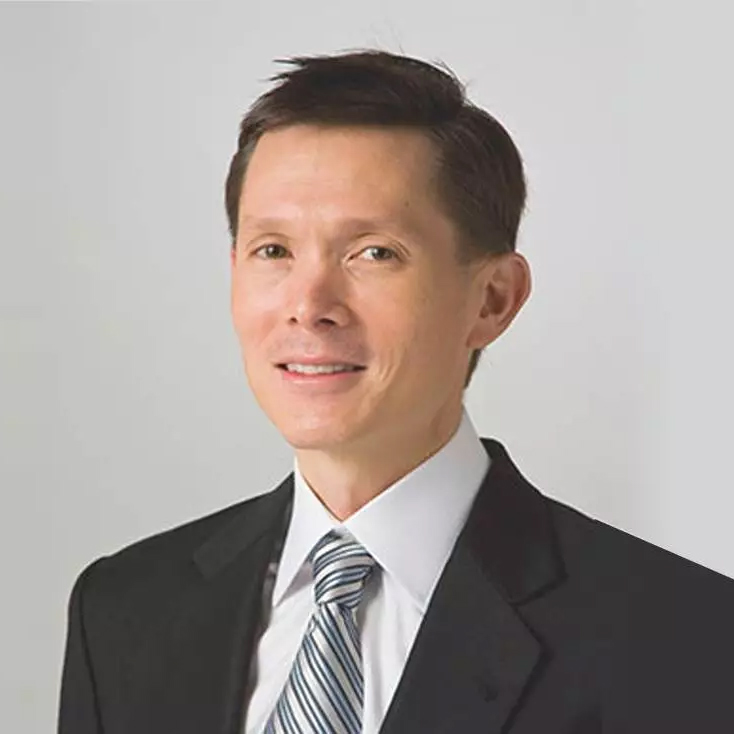
Fellow of Academy of Medicine, Singapore (Plastic Surgery) Registered Specialist Plastic Surgeon, Singapore Medical Council
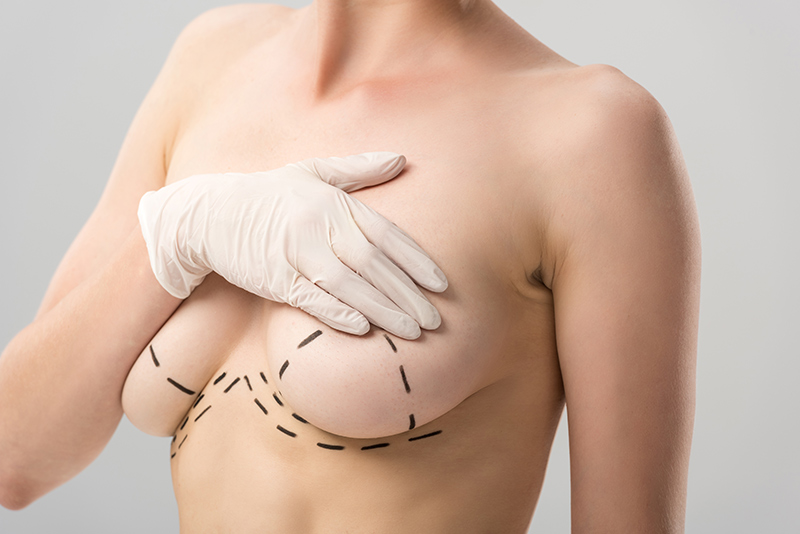
Planning for breast augmentation is typically performed through several structured steps designed to tailor the procedure to the patient's anatomy, lifestyle and aesthetic goals. The process usually begins with a detailed consultation, where factors such as breast shape, medical history, lifestyle and desired outcomes are discussed. From there, implant selection is planned based on the patient's body proportions, preferences and long-term expectations.
Plastic surgeons may also use measurements, assessments and 3D simulation technology to evaluate breast dimensions, skin quality and how different implant sizes or placement options may affect the final result. Once these details are confirmed, the surgical plan is finalised, including implant placement, incision approach and recovery preparation before surgery day.
By following a structured planning approach, breast augmentation surgery can be customised to create balanced, natural-looking results that align with the patient's goals.
Key Takeaways
- Breast augmentation planning starts with a detailed consultation and health assessment.
- Implant type, size, profile and placement are chosen based on body proportions and goals.
- Surgeons typically use measurements, imaging and lifestyle discussions to customise the surgical plan.
- Pre-operative preparation includes medical clearance, recovery planning and surgery-day instructions.
- The planning process is designed to improve safety, predictability and long-term satisfaction.
What Happens During a Breast Augmentation Consultation?
A consultation is usually the first step in planning breast augmentation surgery. During this appointment, the surgeon discusses the patient's goals, medical history, lifestyle and expectations.
Patients may talk about:
- Desired breast size and shape
- Whether they want subtle or more noticeable enhancement
- Concerns about symmetry or volume loss
- Pregnancy, breastfeeding or future lifestyle plans
- Previous surgeries or medical conditions
The surgeon will typically examine the chest anatomy, skin elasticity and existing breast tissue to determine which options may be suitable. Many clinics also use sizing tools or 3D imaging to help patients visualise potential outcomes.
This stage is also where patients can ask questions about recovery, risks, implant longevity and expected results.
How Are Implant Type and Size Chosen?
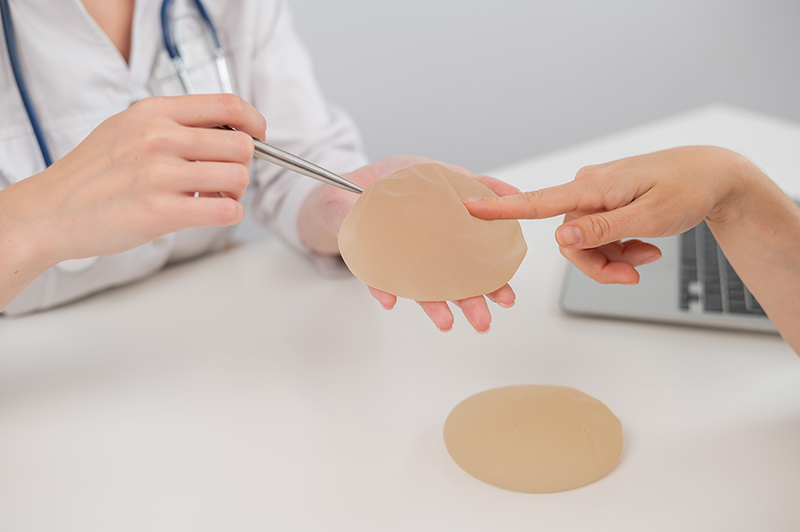
After the consultation, the next step is selecting the implant details. This is one of the most personalised stages of breast augmentation planning, as different implants have a variety of textures and weights that the patient will be living with in the long term.
The surgeon may recommend implant options based on factors such as:
- Chest width and body proportions
- Existing breast tissue
- Skin quality and elasticity
- Desired breast shape and projection
- Lifestyle and activity level
At our clinic, we use Motiva and Mentor silicone gel implants, both of which are widely used for their range of sizes, profiles and natural-feeling results. During the planning process, patients can compare different implant options to better understand how each may affect shape, fullness and overall proportions.
Rather than focusing only on cup size, the goal is to choose implants that suit the patient's body frame while creating balanced, natural-looking results.
How Does a Plastic Surgeon Determine Implant Placement?
As part of the planning process, plastic surgeons typically use simulation and visualisation technology to visualise how different implant sizes, shapes and profiles may look before surgery. This also determines where implants can be placed.
Using 3D imaging during the consultation can help patients make more informed decisions about implant selection and expected outcomes. It also gives the surgeon additional guidance when planning the procedure based on the patient's proportions and aesthetic goals.
Options for implant placement depend on several factors, including:
- Amount of existing breast tissue
- Desired appearance
- Implant size and profile
- Athletic activity and lifestyle
- Skin thickness and tissue coverage
During the consultation and simulation process, the surgeon will explain how each placement option may affect appearance, recovery and long-term results.
What Measurements and Assessments Are Done Before Surgery?
Breast augmentation planning usually includes several measurements and medical assessments before surgery is scheduled. Some examples are:
- Breast width measurements
- Skin elasticity assessment
- Nipple position evaluation
- Chest wall symmetry checks
- General health screening
Some patients may also require imaging, blood tests or medical clearance depending on their health history. These assessments help the surgeon build a surgical plan that is tailored to the patient's anatomy and goals.
How Is the Surgical Plan Finalised?
Once the implant choices and measurements are confirmed, the surgeon finalises the surgical approach and shares key information with the patient. This may include an explanation of:
- Implant size and profile
- Implant placement
- Incision location
- Anaesthesia details
- Recovery expectations
Patients are typically given an opportunity to review the plan, ask final questions and confirm their preferences before surgery day.
Clear communication during this stage helps ensure expectations are realistic and aligned with the planned outcome.
Transparent Breast Augmentation Planning for Peace of Mind
Breast augmentation planning involves more than simply choosing the size of your implants. Factors such as body proportions, skin quality, implant placement, lifestyle and long-term aesthetic goals all play an important role in creating a personalised surgical plan.
By following a structured planning process, plastic surgeons can recommend options that are tailored to each patient's anatomy and expectations, helping patients make informed decisions with greater confidence and clarity.
At The Plastic Surgery Practice, our consultant plastic surgeon, Dr Andrew Tay, focuses on transparent communication and personalised treatment planning throughout every stage of the consultation process. Using assessments, measurements and simulation technology, Dr Tay helps patients to better understand their available options, expected outcomes and the reasoning behind each surgical recommendation.
If you are considering breast augmentation and would like professional guidance on suitable options, contact us today to arrange a personalised consultation.
Frequently Asked Questions (FAQs) About Cosmetic Surgery
How long does breast augmentation planning usually take?
The planning process can vary depending on the patient and clinic, but many patients complete consultations, sizing decisions and pre-operative assessments over several weeks before surgery.Can implant size be changed after the consultation?
Yes. Many patients continue refining their implant choice after the initial consultation, especially after trying sizing tools or reviewing imaging simulations.Why are measurements important before breast augmentation?
Measurements help the surgeon recommend implants that fit the patient's anatomy safely and proportionally, rather than relying only on cup size preferences.Does every patient follow the same planning process?
The general stages are similar, but each surgical plan is customised based on anatomy, goals, medical history and surgeon recommendations.Can I breastfeed after breast augmentation?
Many women are still able to breastfeed after breast augmentation surgery. During the planning process, patients should discuss future pregnancy or breastfeeding goals with their surgeon so these factors can be considered when selecting the surgical approach.Our Doctor
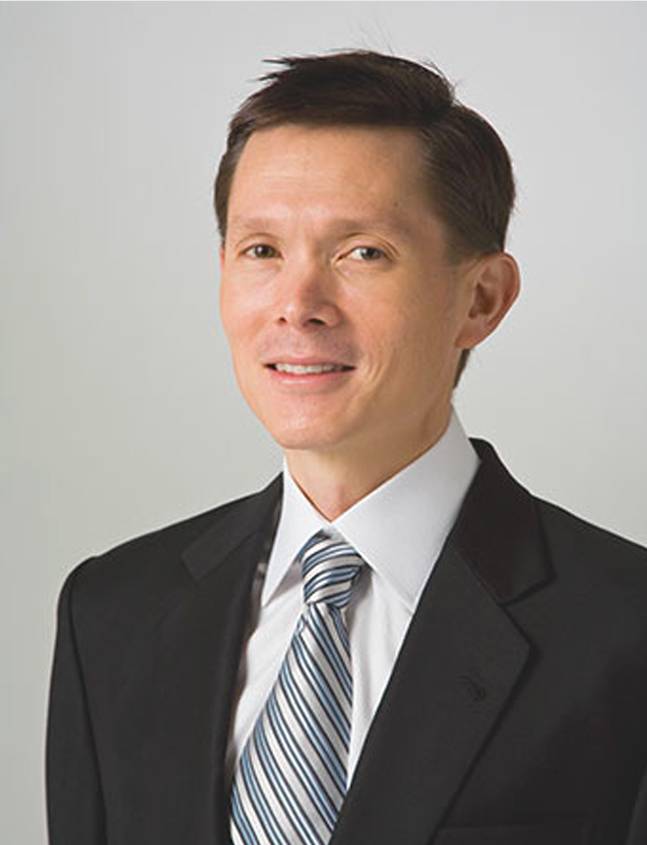
Dr Andrew Tay
Consultant Plastic Surgeon
Dr Andrew Tay is an MOH-accredited plastic surgeon in Singapore with over two decades of experience in cosmetic and reconstructive surgery. His expertise spans facial and body cosmetic surgery, with a special interest in facial trauma and skeletal reconstruction. Dr Tay is also a member of the Singapore Association of Plastic Surgeons, the Singapore Society of Cosmetic (Aesthetic) Surgeons, and the International Society of Aesthetic Plastic Surgery.
ideals and lifestyles are different,
these may be non-surgical or surgical procedures.