How Does a Plastic Surgeon Personalise Cosmetic Surgery?
Fellow of Academy of Medicine, Singapore (Plastic Surgery) Registered Specialist Plastic Surgeon, Singapore Medical Council
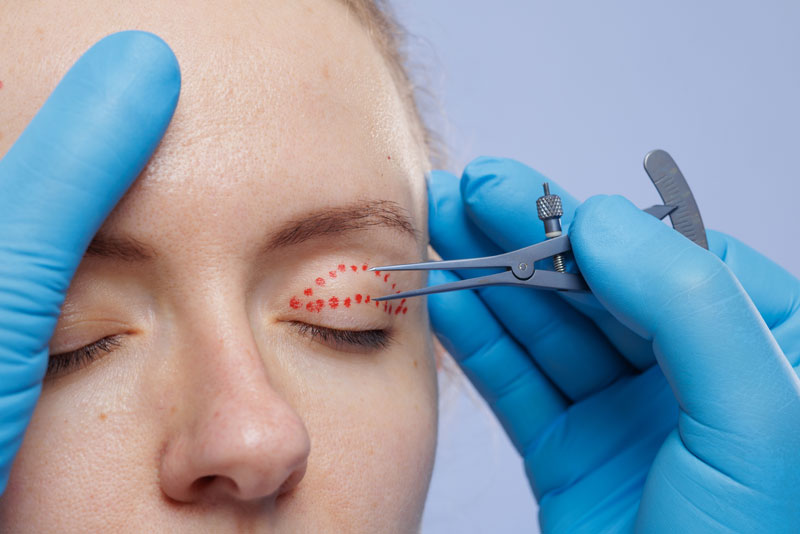
A plastic surgeon may personalise cosmetic surgery by assessing your goals, anatomy, health and expectations. These findings help determine whether surgery is suitable and which elements of the recommended approach can be adjusted within safe and realistic limits.
In this article, we examine the factors considered before treatment is recommended, how your physical characteristics and desired outcome shape the surgical plan and which parts of that plan may vary between patients.
Key Takeaways
- Cosmetic surgery planning begins with an assessment of your suitability and the change you hope to achieve.
- Treatment extent, incision placement and implant selection may be adjusted where relevant, but only within medically appropriate limits.
- Individual proportions, tissue characteristics and healing considerations mean that similar goals may require different surgical plans.
What Does a Plastic Surgeon Consider Before Recommending a Procedure?
Before recommending a cosmetic surgery procedure, a plastic surgeon considers whether the requested change is appropriate for your goals, health, anatomy and circumstances. The assessment may cover:
- Your concerns and expectations, including the change you hope to achieve
- Your medical history, including existing conditions, medications, allergies and previous surgery
- Factors affecting healing, such as smoking, weight stability and skin quality
- Your ability to recover, including available support and time away from work or exercise
These findings may support the proposed treatment, point towards another option or indicate that surgery should be delayed or not advised. A recommendation therefore considers not only what can be performed, but whether the likely benefits justify the risks and align with realistic expectations.
How Do Anatomy and Aesthetic Goals Influence a Surgical Plan?
In cosmetic surgery, your anatomy refers to the existing physical characteristics of the treatment area, including its proportions, bone or soft-tissue structure, skin elasticity, tissue volume and natural asymmetries. These features influence what can be altered, how much change may be appropriate and which type of procedure may be suitable.
Your aesthetic goals describe the result you hope to achieve and the degree of change you prefer. The surgeon compares these aims with your anatomical starting point to determine an appropriate treatment extent and approach. Two patients seeking a similar outcome may therefore require different surgical plans.
Which Aspects of a Cosmetic Surgery Procedure Can Be Personalised?
Some aspects of a cosmetic surgery procedure can be personalised, but only within the limits of what is anatomically achievable and medically appropriate. Personalisation does not mean that every requested change can be accommodated. The surgeon must protect function, avoid unnecessary risk and account for how your tissues are likely to respond and heal.
Within these limits, the following elements may be adjusted depending on the procedure:
- The extent of treatment, such as how much tissue is removed, repositioned or reshaped
- The location and length of incisions, based on the access required and expected scarring
- Implant dimensions and placement, where implants are used
These choices cannot be made independently. An incision cannot always be shortened if doing so would restrict access, while the requested degree of augmentation, reduction or reshaping may need to be moderated if the tissues cannot safely support it. The final plan therefore balances your goals with your anatomy, expected healing and the trade-offs of each option.

Discussing a Personalised Cosmetic Surgery Plan With Dr Andrew Tay
A personalised cosmetic surgery plan should reflect your physical characteristics, desired outcome and medical suitability rather than follow a standard approach. The appropriate procedure and extent of change can only be determined after your concerns, anatomy and health have been assessed.
At The Plastic Surgery Practice, Dr Andrew Tay takes an individualised approach to care by listening to your concerns, assessing the treatment area and explaining the options that may be suitable. He also discusses the limitations, risks and expected recovery associated with the recommended approach, helping you understand what the procedure can reasonably achieve.
Book an appointment with Dr Tay today to discuss your concerns and whether cosmetic surgery may address your aesthetic goals appropriately.
Frequently Asked Questions About Personalising Cosmetic Surgery
Meet Our Doctor
Dr Andrew Tay
Consultant Plastic Surgeon
Dr Andrew Tay is an MOH-accredited plastic surgeon in Singapore with over two decades of experience in cosmetic and reconstructive surgery. His expertise spans facial and body cosmetic surgery, with a special interest in facial trauma and skeletal reconstruction. Dr Tay is also a member of the Singapore Association of Plastic Surgeons, the Singapore Society of Cosmetic (Aesthetic) Surgeons, and the International Society of Aesthetic Plastic Surgery.
ideals and lifestyles are different,
these may be non-surgical or surgical procedures.