
Gynecomastia vs Chest Fat: How to Tell the Difference

Fellow of Academy of Medicine, Singapore (Plastic Surgery) Registered Specialist Plastic Surgeon, Singapore Medical Council
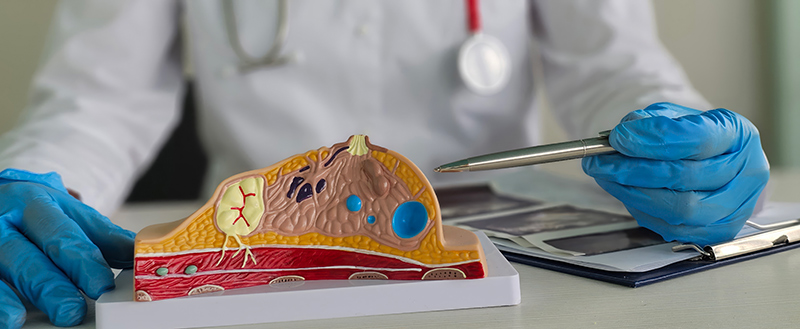
Male chest enlargement is often assumed to be the result of excess body fat, prompting many men to try to reduce it through diet and exercise. When these efforts do not improve the appearance of the chest, it can be confusing or frustrating.
In reality, the underlying cause of this enlargement may be gynecomastia, a condition involving excess glandular breast tissue. Although gynecomastia and chest fat can appear similar, understanding the difference is important because each has distinct causes, diagnostic considerations and treatment approaches.
What Is the Difference Between Gynecomastia and Chest Fat?
Although both gynecomastia and chest fat can cause an enlarged appearance of the male chest, they are different conditions with different underlying causes.
What Is Gynecomastia?
Gynecomastia is a condition in which the glandular breast tissue in males becomes enlarged. Unlike chest fat, gynecomastia involves the growth of firm glandular and fibrous tissue beneath the nipple rather than the accumulation of excess fatty tissue.
It usually occurs due to changes in the balance of hormones, particularly oestrogen and testosterone, and may develop during puberty, with ageing, or as a result of certain medications or medical conditions. Depending on the underlying cause, gynecomastia may resolve on its own, remain stable or continue to progress.
What Is Chest Fat (Pseudogynecomastia)?
Chest fat, also known as pseudogynecomastia, refers to the accumulation of excess fatty tissue in the chest without enlargement of the breast glands. It is commonly associated with being overweight or obesity and tends to occur alongside fat deposits in other areas of the body. As overall body fat decreases through weight loss and regular exercise, chest fat may decrease as well.
How Can You Tell Whether You Have Gynecomastia or Chest Fat?
Although gynecomastia and chest fat can look similar, there are several characteristics that may help distinguish one from the other. The consistency of the tissue, where the enlargement is located and how the chest responds to weight loss can all provide useful clues. However, because the two conditions can coexist, a medical assessment is often the most reliable way to confirm the diagnosis.
Feel the Tissue Beneath the Nipple
One of the most noticeable differences is the type of tissue beneath the nipple. With gynecomastia, the enlarged tissue often feels firm, rubbery or disc-like and is located directly beneath the nipple and areola. It may be clearly distinguishable from the surrounding chest tissue.
On the other hand, with chest fat, the tissue usually feels soft and diffuse, blending more evenly with the surrounding fatty tissue. There is typically no firm gland beneath the nipple. While these characteristics may provide useful clues, they cannot reliably distinguish all cases. Some men have both excess fat and enlarged glandular tissue, making medical assessment important for an accurate diagnosis.
Look at Where the Enlargement Is Located
The pattern of enlargement can also provide clues. Gynecomastia usually causes a more concentrated enlargement beneath the nipple, which may make the nipple appear puffy or protrude slightly. The condition may affect one or both sides of the chest, and asymmetry is not uncommon. Chest fat tends to produce a more uniform increase in fullness across the chest, often occurring alongside excess fat in the abdomen, flanks or other areas of the body.
Consider Whether There Is Pain or Tenderness
Assessing symptoms can sometimes help differentiate the two conditions. Gynecomastia may cause tenderness, sensitivity or mild discomfort, particularly when the glandular tissue is actively enlarging. Some individuals notice soreness when pressure is applied to the area beneath the nipple. Chest fat is generally painless. If discomfort is present, it is more likely to result from skin irritation or other unrelated causes rather than the fatty tissue itself.
Notice How Your Chest Changes with Weight Loss
The way the chest responds to changes in body weight may also offer useful insight. If the enlargement is mainly caused by excess fat, losing weight through a balanced diet and regular exercise often leads to a noticeable reduction in chest size. The degree of improvement depends on overall body composition and fat distribution. In contrast, true gynecomastia is less likely to resolve with weight loss alone because glandular breast tissue does not shrink in the same way as fat. While reducing body fat may improve the overall chest contour, the firm tissue beneath the nipple often remains.
When Should You See a Doctor for Gynecomastia?
Temporary breast enlargement is relatively common during puberty and may also occur later in life as hormone levels change. However, not all cases resolve on their own. If breast enlargement is persistent, causes discomfort or is accompanied by other concerning symptoms, a medical assessment can help determine whether the cause is gynecomastia, chest fat or another underlying condition.
You should see a doctor for gynecomastia if:
The Enlargement Persists or Continues to Increase
Breast enlargement that remains for several months or gradually becomes more noticeable should be assessed by a doctor. Persistent enlargement may indicate established glandular tissue that is less likely to resolve without treatment.
You Experience Pain, Tenderness or Swelling
Gynecomastia may cause tenderness or soreness, particularly during the early stages of glandular tissue growth. Pain is not always present, but discomfort that interferes with daily activities or becomes progressively worse warrants medical attention. A doctor can assess whether the symptoms are consistent with gynecomastia or suggest another breast condition requiring further evaluation.
The Enlargement Affects Only One Side or Is Associated with Other Changes
If you experience breast enlargement affecting a single side, it should be evaluated carefully to exclude other possible causes. You should seek medical assessment if you notice a hard or fixed lump, rapid enlargement, nipple discharge (particularly if it is bloody), skin dimpling, changes to the nipple or enlarged lymph nodes in the armpit. While these features are uncommon, they require prompt evaluation to rule out more serious conditions, including male breast cancer.
You Have Symptoms That May Suggest an Underlying Medical Condition
Gynecomastia can sometimes be a sign of an underlying hormonal imbalance or medical condition rather than a condition affecting the chest alone. A medical review is particularly important if breast enlargement develops alongside symptoms such as reduced libido, erectile dysfunction, testicular pain or swelling, unexplained weight loss, signs of liver, kidney or thyroid disease. Identifying and treating the underlying cause may help prevent further progression and ensure the most appropriate management approach is recommended.
You Are Concerned About the Appearance of Your Chest
Even when gynecomastia does not cause physical discomfort, it can affect confidence, body image and participation in activities such as swimming, exercising or wearing fitted clothing. If the appearance of your chest is affecting your quality of life, consulting a doctor can provide clarity about the diagnosis and available treatment options.
Personalised Gynecomastia Treatment with Dr Andrew George Tay
Gynecomastia and chest fat may appear similar, but they have different underlying causes and often require different gynecomastia treatment and management approaches. While chest fat is caused by excess fatty tissue and may improve with weight loss, gynecomastia involves the enlargement of glandular breast tissue and may persist despite lifestyle changes.
At The Plastic Surgery Practice, we provide personalised assessment and treatment for gynecomastia based on each patient's symptoms, medical history and treatment goals. Consultant Plastic Surgeon Dr Andrew George Tay offers comprehensive evaluations to distinguish gynecomastia from chest fat and recommends evidence-based treatment options tailored to each individual's needs.
If you are concerned about persistent chest enlargement or would like to explore your treatment options, book an appointment with our team today.
Frequently Asked Questions (FAQs)
Can weight training get rid of gynecomastia?
Strength training can build the chest muscles and improve the overall shape of the chest, but it does not remove enlarged glandular breast tissue. If the prominence is caused by true gynecomastia, exercise alone is unlikely to eliminate it, although it may improve the appearance if excess chest fat is also present.Can gynecomastia come back after treatment?
The likelihood of recurrence depends on the underlying cause and the type of treatment received. If hormonal imbalances, certain medications, anabolic steroid use or significant weight gain continue after treatment, breast enlargement may recur. Managing contributing factors and following your doctor's recommendations can help reduce this risk.Are imaging tests always needed to diagnose gynecomastia?
Not always. Many cases can be diagnosed through a detailed medical history and physical examination. However, imaging such as ultrasound or mammography, as well as blood tests, may be recommended if the diagnosis is unclear, the enlargement has unusual features or there is concern about an underlying medical condition requiring further investigation.Meet Our Doctor

Dr Andrew Tay
Consultant Plastic Surgeon
Dr Andrew Tay is an MOH-accredited plastic surgeon in Singapore with over two decades of experience in cosmetic and reconstructive surgery. His expertise spans facial and body cosmetic surgery, with a special interest in facial trauma and skeletal reconstruction. Dr Tay is also a member of the Singapore Association of Plastic Surgeons, the Singapore Society of Cosmetic (Aesthetic) Surgeons, and the International Society of Aesthetic Plastic Surgery.
ideals and lifestyles are different,
these may be non-surgical or surgical procedures.