Dos and Donts After Plastic Surgery: How to Recover Safely
Fellow of Academy of Medicine, Singapore (Plastic Surgery) Registered Specialist Plastic Surgeon, Singapore Medical Council
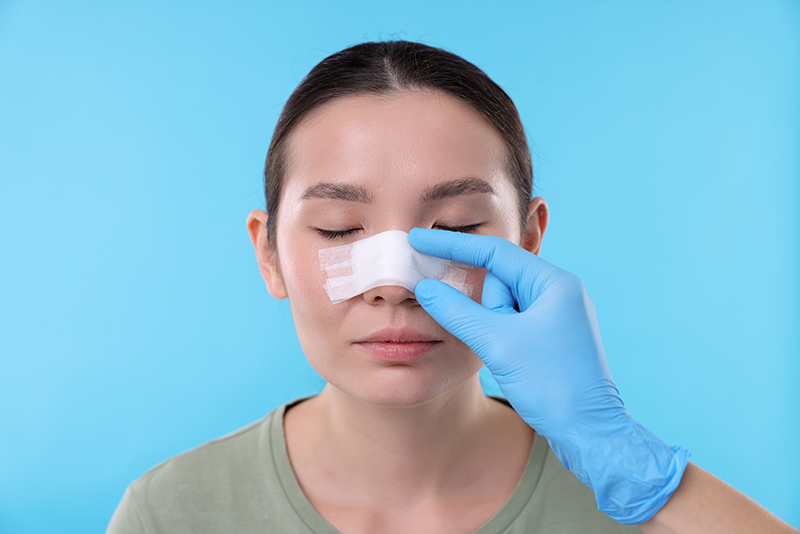
After any plastic surgery procedure, patients will need to undergo a recovery period. During this time, there are numerous measures that patients and their surgeons can take to support proper wound healing, reduce complications and help patients achieve the best possible outcomes from their surgery.
While every procedure and patient recovery journey is different, there are several important dos and don'ts that apply across many forms of plastic surgery. Understanding what to avoid, what to prioritise and when to seek medical attention can help patients recover more comfortably and confidently.
Don't: Rush Back Into Exercise or Daily Activities
Firstly, patients should avoid returning to exercise, heavy lifting or physically demanding activities too soon after plastic surgery. While it may be tempting to resume your normal routine as soon as discomfort improves, excessive movement and strain during the early stages of recovery can place stress on healing tissues, increasing swelling and bleeding. This could potentially affect surgical results by creating scarring or straining sutures.
Recovery timelines can differ significantly depending on the procedure performed. For example, patients recovering from eyelid surgery or minor facial procedures may resume light daily activities sooner, while procedures such as tummy tuck surgery, breast augmentation or liposuction often require a longer period of restricted movement and recovery. Following the recommended recovery timeline for your specific procedure is important to support proper healing and reduce unnecessary strain on the surgical area.
Don't: Smoke or Consume Alcohol During Recovery
Smoking and alcohol consumption should be avoided during the recovery period after plastic surgery, as both can interfere with the body's natural healing processes.
Smoking reduces blood circulation and oxygen delivery to healing tissues, which may increase the risk of delayed wound healing, infection, tissue damage and more noticeable scarring.
Alcohol can also affect recovery by increasing swelling, dehydration and bruising, while potentially interfering with prescribed medications such as antibiotics or pain relief medication.
Do: Prioritise Rest and Proper Nutrition
Allowing the body sufficient time to rest is an important part of any recovery process. Achieving adequate sleep and reduced physical strain help support tissue repair, minimise fatigue and allow the body to focus its energy on healing. Patients are generally advised to avoid overexertion and ensure they get enough rest during the initial stages of recovery.
Proper nutrition also plays a key role in supporting wound healing. Maintaining a balanced diet and hydration can help support immune function, tissue repair and overall recovery. Depending on the procedure performed, your surgeon may also provide specific dietary recommendations. For example, some patients may be advised to increase protein intake to support tissue healing or reduce sodium intake to help minimise swelling after surgery.
Do: Follow Your Surgeon's Recovery Instructions Carefully
Post-operative recovery instructions are tailored to the specific procedure performed, the extent of surgery and the patient's individual recovery needs. Carefully following these instructions can help reduce the risk of complications and support a smoother healing process.
Recovery instructions may include guidance on wound care, medication usage, sleeping positions, compression garments, activity restrictions and follow-up appointments. Patients should also avoid adjusting medications or resuming certain activities without first consulting their surgeon, even if they feel well during recovery.
Do: Watch for Signs of Complications
Some degree of swelling, bruising and discomfort is expected after plastic surgery. However, patients should remain attentive to symptoms that appear unusual, worsen over time or do not improve as expected during recovery.
Potential warning signs may include:
- Excessive swelling
- Persistent bleeding
- Fever
- Severe pain
- Unusual discharge from surgical sites
Seeking prompt medical attention for these symptoms may help prevent further issues during recovery.
Do: Attend Follow-Up Appointments for Safe Recovery
Follow-up appointments allow your plastic surgeon to monitor healing progress, assess recovery outcomes and identify any early signs of complications after surgery. These reviews are an important part of post-operative care and help ensure recovery is progressing as expected.
During follow-up consultations, your surgeon may evaluate wound healing, remove sutures if required and advise when it is safe to resume certain activities. Attending scheduled follow-up appointments also gives patients the opportunity to discuss any concerns or questions they may have throughout the recovery process.
Safe, Structured Recovery with an Experienced Plastic Surgeon
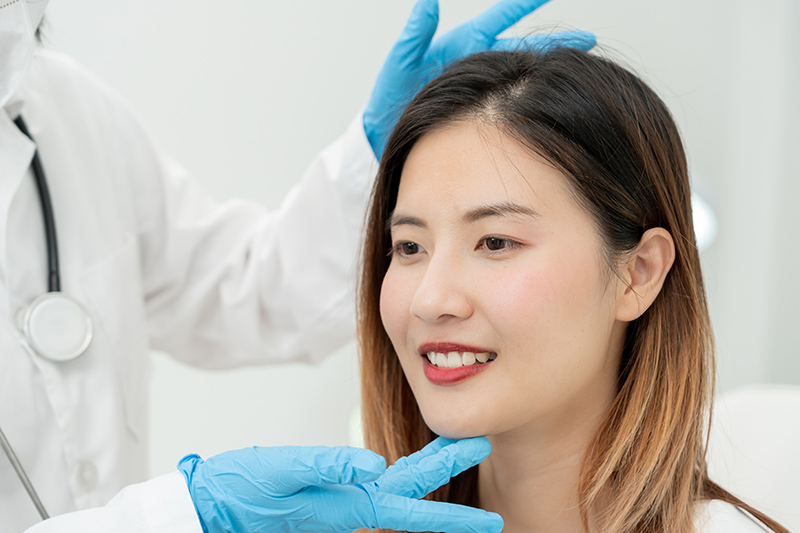
Recovery is a gradual process that requires patience and proper care. During this period of vulnerability, having personalised guidance and clear recovery instructions can help patients better understand what to expect, avoid unnecessary complications and recover with greater confidence. An experienced plastic surgeon should be able to provide post-operative care and guidance, helping you monitor your healing progress closely and making appropriate recommendations based on your individual needs.
At The Plastic Surgery Practice, consultations are conducted with a patient-focused approach that emphasises careful assessment, clear communication and individualised care planning. Dr Andrew Tay, our consultant plastic surgeon, works closely with patients to support safe recovery and natural-looking outcomes that are aligned with their goals and expectations.
If you are considering plastic surgery or would like personalised guidance on your treatment and recovery journey, contact us to arrange a consultation.
Frequently Asked Questions (FAQs) About Post-Surgery Care
Is swelling normal after plastic surgery and how long can it last?
Swelling is a common part of the healing process after plastic surgery and can vary depending on the type and extent of the procedure performed. While mild swelling may improve within several weeks, some procedures, such as liposuction or facial surgery, may involve residual swelling that gradually settles over a longer period. Patients should monitor for swelling that becomes excessive, painful or suddenly worsens, as this may require medical assessment.When can I shower or wash the surgical area after plastic surgery?
Some patients may be allowed to shower within a few days, while others may need to avoid getting the area wet for a longer period. Patients should avoid scrubbing the surgical site or applying unapproved products until advised by their surgeon, as improper wound care may increase the risk of irritation or infection.When can I return to work after plastic surgery?
Patients with desk-based jobs may sometimes return several days after minor procedures, while those recovering from more extensive surgery or physically demanding work may require several weeks of recovery. Your surgeon will usually provide advice on the appropriate recovery time, based on your healing progress and recovery needs.Will I need to wear compression garments after plastic surgery?
Compression garments are only applicable for recovery during certain plastic surgery procedures such as liposuction, tummy tuck surgery and body contouring procedures. These garments help provide support to healing tissues, reduce swelling and assist with recovery during the post-operative period. The duration and type of compression garment required can vary depending on the procedure performed and your surgeon's recovery protocol.Our Doctor
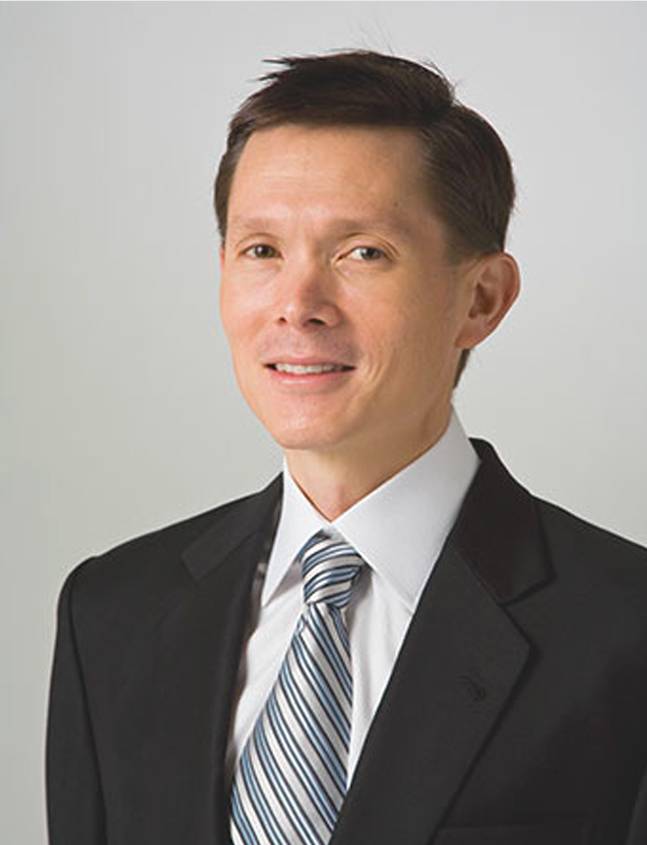
Dr Andrew Tay
Consultant Plastic Surgeon
Dr Andrew Tay is an MOH-accredited plastic surgeon in Singapore with over two decades of experience in cosmetic and reconstructive surgery. His expertise spans facial and body cosmetic surgery, with a special interest in facial trauma and skeletal reconstruction. Dr Tay is also a member of the Singapore Association of Plastic Surgeons, the Singapore Society of Cosmetic (Aesthetic) Surgeons, and the International Society of Aesthetic Plastic Surgery.
ideals and lifestyles are different,
these may be non-surgical or surgical procedures.