
Can Breast Enlargement Improve Breast Asymmetry?

Fellow of Academy of Medicine, Singapore (Plastic Surgery) Registered Specialist Plastic Surgeon, Singapore Medical Council
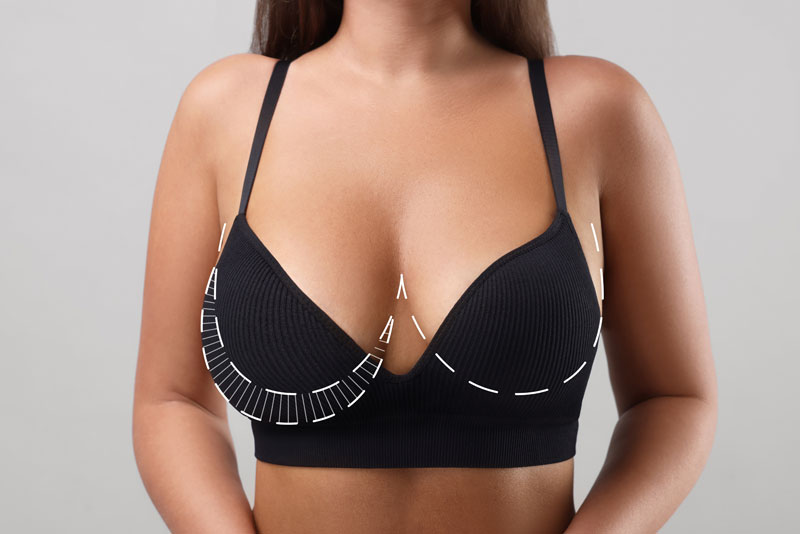
Uneven breasts, also known as breast asymmetry, occur when the breasts differ in size, shape or position. One breast may be smaller, sit higher or have a different contour, which can affect how balanced the breasts appear and how clothing fits.
Women with breast asymmetry often wonder whether breast enlargement surgery can bring their breasts closer in size and create a more balanced appearance. However, while the procedure may reduce differences in volume, a breast surgeon must also assess whether the asymmetry involves differences in breast shape, nipple position, degree of sagging or chest-wall structure.
Understanding these factors helps the surgeon tailor the procedure to each breast and determine whether breast enlargement alone is likely to address the patient’s concerns.
What Does a Plastic Surgeon Assess Before Planning the Procedure?
A plastic surgeon assesses which anatomical differences are creating the asymmetry and which of them can realistically be changed through breast enlargement. During this assessment, they typically take note of:
- Breast volume and shape: The surgeon compares the amount and distribution of breast tissue on each side.
- Breast base width: Differences in the width of the breasts influence the diameter and profile of the implants that may be suitable.
- Nipple position: The nipples may sit at different heights or point in different directions, which enlargement alone may not correct.
- Inframammary folds: Uneven breast folds can cause the breasts or implants to sit at different levels.
- Skin quality and sagging: Differences in skin elasticity or the degree of sagging can affect how each breast accommodates an implant.
- Chest-wall structure: Differences in the ribs, sternum or overall chest shape may contribute to the uneven appearance.
These findings help the surgeon determine whether breast enlargement alone is suitable or whether another procedure may be needed.
How Is a Breast Enlargement Procedure Tailored to Uneven Breasts?
A breast enlargement procedure is tailored by planning each breast separately rather than applying the same approach to both sides. The techniques used will depend on whether the asymmetry primarily concerns volume, projection, position or contour.
Using Different Implant Sizes or Profiles
When both breasts are being enlarged, the surgeon may use implants of different sizes to reduce an existing difference in volume. Implant profiles may also be varied to account for differences in breast width or projection. The amount of existing breast tissue must still be considered, as different implants will not necessarily produce breasts of exactly the same size or shape.
Placing an Implant in One Breast Only
When one breast has less volume and the patient is satisfied with the size of the other, an implant may be placed in the smaller breast alone. The surgeon must consider whether the implanted and non-implanted breasts can achieve a reasonably similar shape and projection, as they may feel and change differently over time.
Adjusting Implant Placement
The implant pocket may be positioned or shaped differently on each side to account for existing anatomical differences. In selected cases, the inframammary fold, which is the crease beneath the breast, may also need to be adjusted to help the breasts sit at a more similar height.
When Is Breast Enlargement Alone Not Enough?
Breast enlargement alone may not be enough when the asymmetry involves breast position, shape or skin laxity rather than volume alone. An implant can add volume, but it does not automatically lift a sagging breast, reposition the nipple or correct a constricted breast shape.
Depending on the differences identified during assessment, the surgeon may recommend combining breast enlargement with another procedure or using a different approach.
Breast Lift
A breast lift may be considered when one breast sags more than the other or the nipples sit at noticeably different heights. The procedure reshapes and raises the breast tissue while repositioning the nipple where appropriate.
Breast Tissue Reshaping
A constricted or tuberous breast may need to be reshaped so that it can accommodate an implant and achieve a more balanced contour. The techniques used will depend on how the breast tissue and surrounding skin have developed.
Reduction of the Larger Breast
If the patient does not want both breasts to be larger, reducing the larger breast may bring it closer in size to the smaller one. A breast reduction may also address differences in breast shape and position.
Fat Grafting
Fat transferred from another part of the body may be used to address smaller differences in volume or contour that an implant alone cannot target precisely. Fat grafting may be used alongside another breast procedure to refine a localised contour difference.
Additionally, underlying chest-wall differences may remain visible because breast surgery cannot alter the shape of the ribs or sternum. The surgeon must therefore determine which approach is most likely to reduce the asymmetry while remaining suitable for the patient’s anatomy and intended breast size.
Can Breast Enlargement Guarantee Perfect Symmetry?
Breast enlargement may make the breasts appear more balanced, but perfect symmetry cannot be guaranteed. Existing differences in breast tissue, skin, nipple position and chest-wall structure may prevent the breasts from becoming identical, even when the procedure is tailored to each side. The purpose of tailoring the procedure is therefore to reduce the most noticeable differences rather than make the breasts identical.
The result also depends on how each breast heals. Swelling may subside at different rates, the implants may settle differently and the skin and breast tissue on each side may adapt differently to the new volume. Some unevenness may therefore be temporary during recovery, while smaller differences may remain after healing is complete.
Any improvement in symmetry is also not fixed for life. Ageing, pregnancy, breastfeeding and weight fluctuations can alter breast volume, skin elasticity and position, potentially affecting each side differently. The breasts therefore cannot be guaranteed to remain equally balanced throughout later life stages.
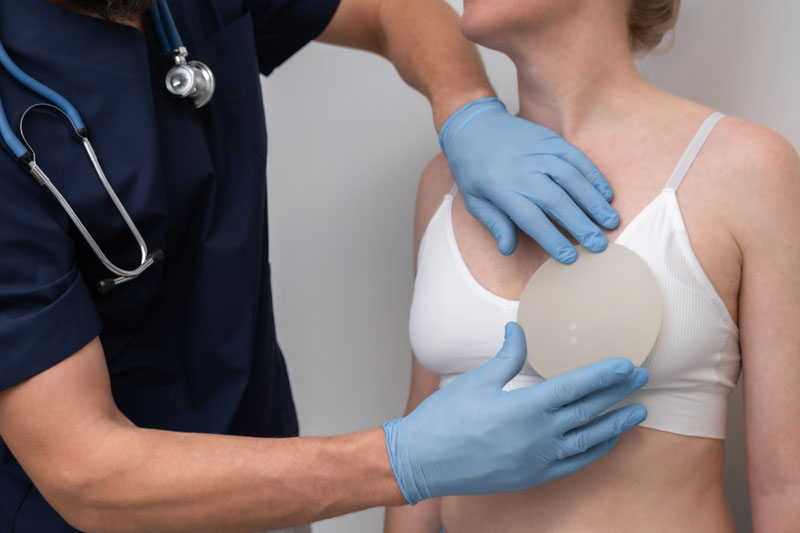
Addressing Breast Asymmetry With Dr Andrew Tay
Breast enlargement may be used to correct breast asymmetry, but the process is seldom as simple as equalising the size through implants. Many factors such as differences in breast shape, position and skin quality must also be considered when determining how each breast should be treated and whether another procedure may be needed.
At The Plastic Surgery Practice, Consultant Plastic Surgeon Dr Andrew Tay provides individualised care from the initial consultation through to the procedure and follow-up. He assesses each breast separately, listens to the patient’s concerns and explains which differences may be improved, which may remain and whether breast enlargement should be combined with another procedure.
If you would like to understand what is contributing to your breast asymmetry, contact us today to arrange a consultation with Dr Tay.
Meet Our Doctor

Dr Andrew Tay
Consultant Plastic Surgeon
Dr Andrew Tay is an MOH-accredited plastic surgeon in Singapore with over two decades of experience in cosmetic and reconstructive surgery. His expertise spans facial and body cosmetic surgery, with a special interest in facial trauma and skeletal reconstruction. Dr Tay is also a member of the Singapore Association of Plastic Surgeons, the Singapore Society of Cosmetic (Aesthetic) Surgeons, and the International Society of Aesthetic Plastic Surgery.
ideals and lifestyles are different,
these may be non-surgical or surgical procedures.